Loading articles.
Loading the article.
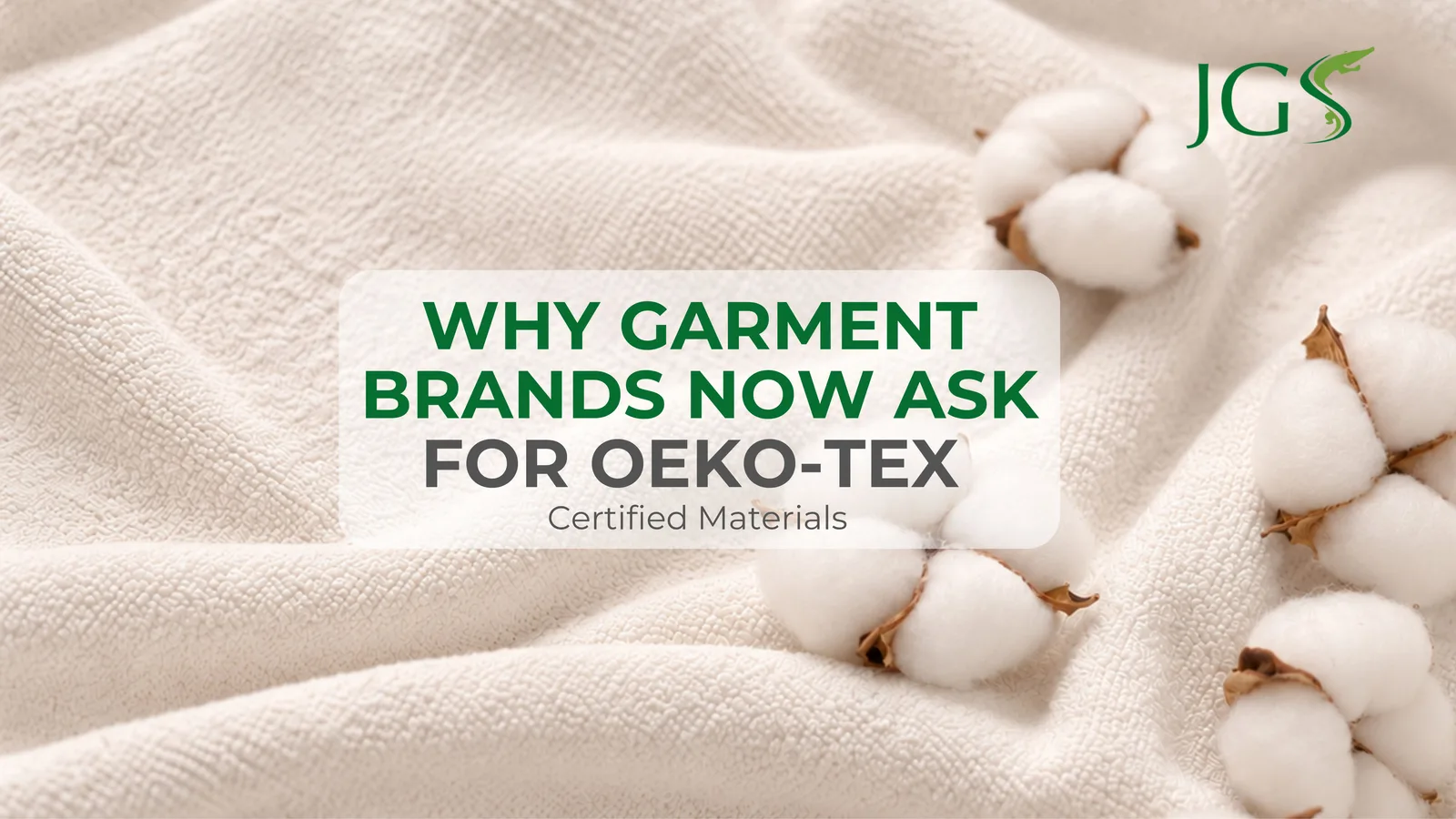
Understand how OEKO-TEX certification helps garment brands meet buyer expectations, improve material safety assurance, and choose reliable interlining and non-woven fabric for quality-conscious apparel production.
Not long ago, buyers mostly asked about price and delivery. Today, many also ask a third question: is this material tested and certified? For apparel brands, OEKO-TEX certified materials have become a regular part of that conversation, and interlining is no exception.
OEKO-TEX is an independent testing and certification system for textiles. Its Standard 100 label means a product has been tested for harmful substances and is considered safe for human use. It applies at different stages of production, including components such as interlining, not just finished garments.
Interlining sits inside the garment, often close to the skin in collars, cuffs and waistbands. Even though it is hidden, it is part of the finished product, so brands want proof that it meets safety standards too. OEKO-TEX certified interlining gives them that assurance without extra testing on their side.
OEKO-TEX works best alongside management-system certifications:
Together, they show that a supplier controls quality, manages its environmental impact and offers tested materials.
For many brands, certification is no longer a bonus. It is a baseline. Choosing a supplier with certified non-woven fabric and interlining makes approvals smoother, reduces risk and gives your customers confidence in what is inside the product.
Looking for certified interlining and non-woven materials? Contact JGS Tex Fab to discuss your requirements.
Keep reading
 3 min read
Embroidery backing paper is the hidden layer that decides whether an order ships or gets stitched twice. Here’s what it is, the four main types, and how to choose the right one for your fabric.
Read the article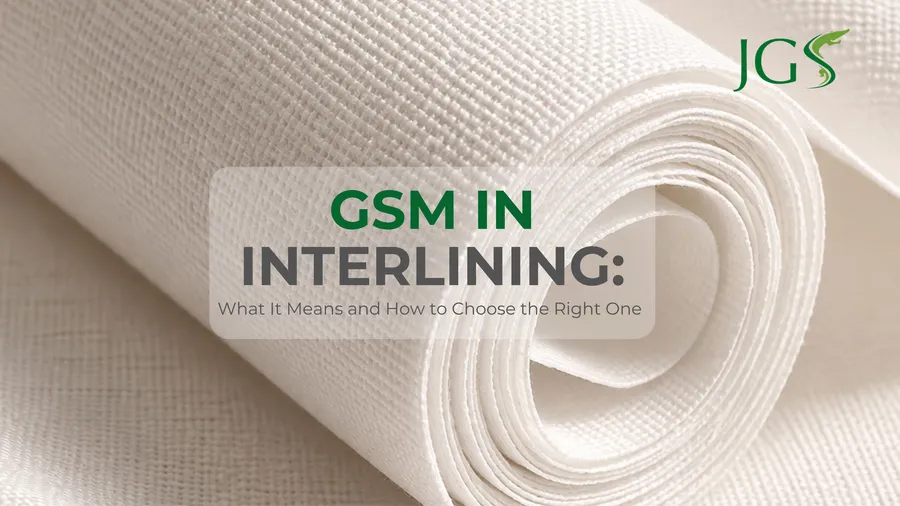 3 min read
Learn what GSM means in fabric, why it matters, and how to choose the right fabric weight for garments, fusible interlining, and non-woven applications.
Read the article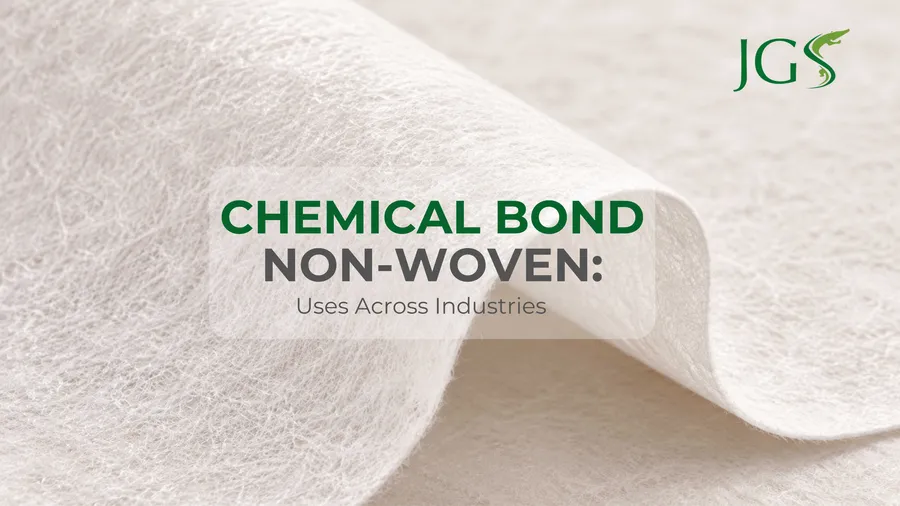 3 min read
Discover how chemical bond non-woven fabric is used across apparel, leather goods, automotive, filtration, packaging, hospitality, and electrical industries, and learn how to choose the right specifications for your application.
Read the articleLet's Connect
Tell us the fabric, the garment and the run size. We will come back with the interlining that fits, and a sample to prove it.
Send an enquiry